Gas boiler ban UK 2035: what is actually happening and what to do
New-build gas boilers are banned in 2025-2027 in most UK regions. Replacement bans for existing homes are softer than the headlines suggest. Here is the real timeline.
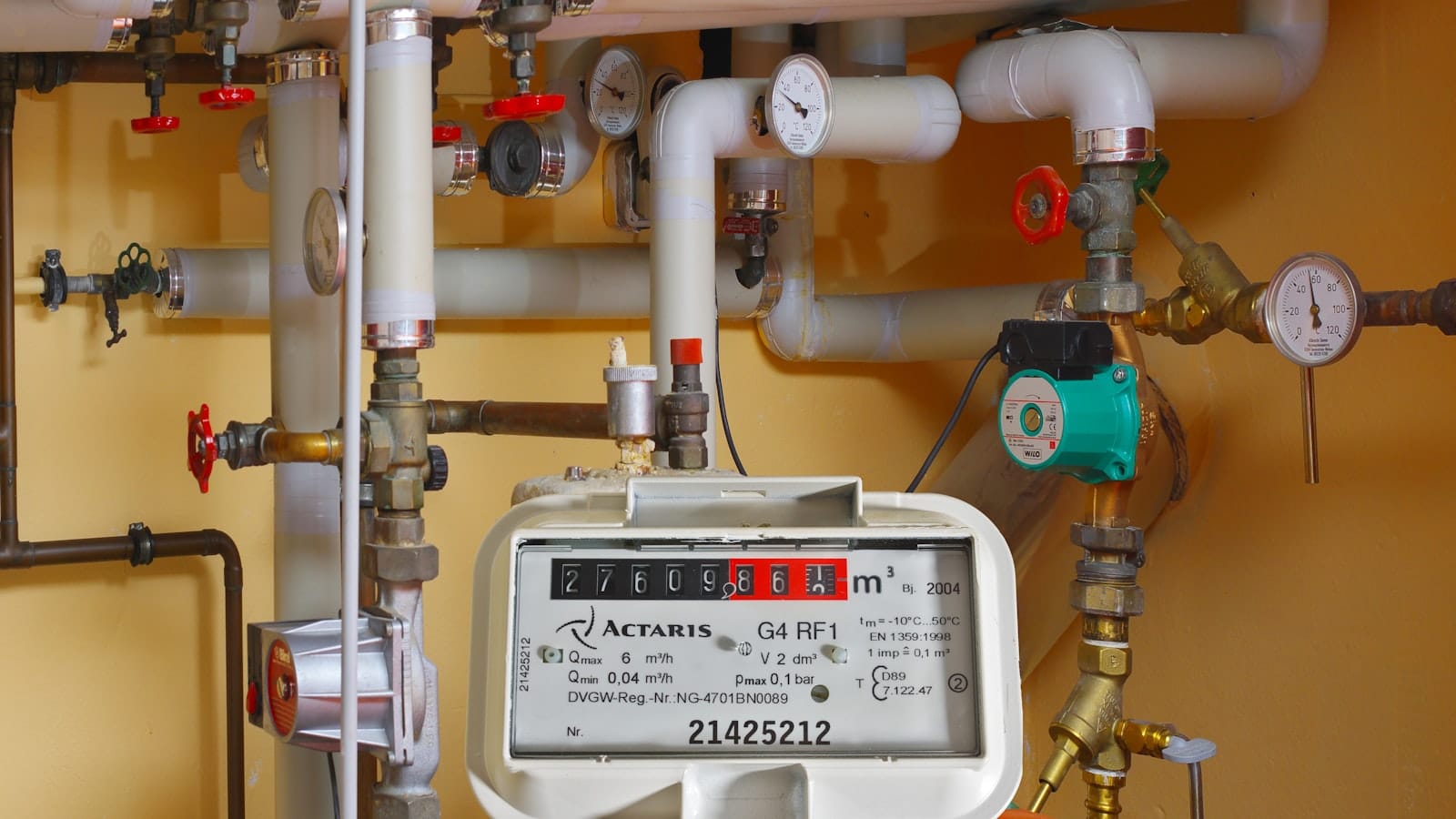
The "gas boiler ban" gets reported as if you will be ripped from your home in 2035 with a heat pump strapped to your back. The reality is softer, more staggered, and only really binding on new-builds for now. If you have a working gas boiler in 2026, you can keep it through its natural lifespan and replace it like-for-like into the 2030s. What is changing is what gets installed in new builds and the financial incentives around upgrades.
The actual timeline
What is currently confirmed:
- 2025: Future Homes Standard requires all new-build homes in England to be heat-pump-ready. Most new-builds being completed in 2025+ already include a heat pump.
- 2025-2027: Several local authorities (Greater London, Manchester, Glasgow) phase out gas connections in new-build planning consents.
- 2035: Originally proposed as the cut-off for installing new gas boilers in existing homes. Currently under review by government — has been pushed back from earlier dates twice and may be pushed back again.
- 2050: UK net-zero target. Some form of gas-boiler phase-out is required by this date to meet the legal commitment.
So: new builds yes, existing homes still uncertain. The 2035 date is policy intent, not law.
What this means for existing homeowners
If you live in an existing home with a gas boiler:
- Your current boiler can run until end-of-life. No retrofit obligation.
- You can replace a broken boiler with a new gas one through at least 2030, probably later.
- Repair parts and gas servicing remain available throughout the boiler's life. Gas safe engineers will not be obsoleted overnight.
- You will probably feel financial pressure to switch — BUS grant, ECO scheme, future carbon taxes — rather than a hard ban.
What this means for landlords
Landlords face stricter rules sooner. The proposed Minimum Energy Efficiency Standards (MEES) require all rental properties to reach EPC Band C by 2030 (date uncertain). Most C-rated retrofits in older stock effectively require a heat pump, since gas boilers cap the achievable rating in poorly-insulated buildings.
What this means for new-build buyers
Almost all new-build homes in 2025+ come with heat pumps as standard. If you are buying off-plan, ask:
- Which heat-pump model is specified.
- Whether the radiators are sized for low-flow-temperature operation.
- Whether the developer is providing a SCOP figure (a real one, not a marketing one).
- What the warranty looks like and who handles servicing.
Will hydrogen boilers replace gas boilers in UK homes?
You will read articles claiming we will all run hydrogen boilers instead. The honest answer: this is unlikely for domestic heating. The UK's Hydrogen Village trials (Whitby, Redcar) were both cancelled in 2023-2024. The Climate Change Committee, the National Infrastructure Commission, and most independent analysts agree hydrogen will be used in industry and heavy transport, not in homes. Plan around heat pumps, not hydrogen.
What to do now
- If your boiler is under 8 years old: nothing. Run it to end-of-life. Plan a heat pump for replacement time.
- If your boiler is 8-12 years old: get a heat-pump quote alongside any replacement-boiler quote when it next breaks. The £7,500 BUS grant currently makes the maths competitive.
- If your boiler is 12+ years old: start the heat-pump conversation now. Boilers in this age bracket fail unpredictably; you do not want to be making a £10k decision in February with a cold house.
- If you are doing a major renovation: install the heat pump as part of the project. Pipework and insulation work cost a fraction when done alongside other works.
The bottom line
The 2035 ban is a policy intent for new gas boilers, not an obligation to rip out working ones. Most homeowners will switch to heat pumps voluntarily as boilers fail and grant economics keep improving. There is no need to panic; there is good reason to plan. Run our free pre-survey check for a personalised view of when a heat pump makes sense for your property.