Do heat pumps work in old houses? The honest answer for UK homes
Yes, heat pumps work in pre-1930s homes — but you need bigger radiators, decent insulation, and a properly-sized system. Here is what actually matters.
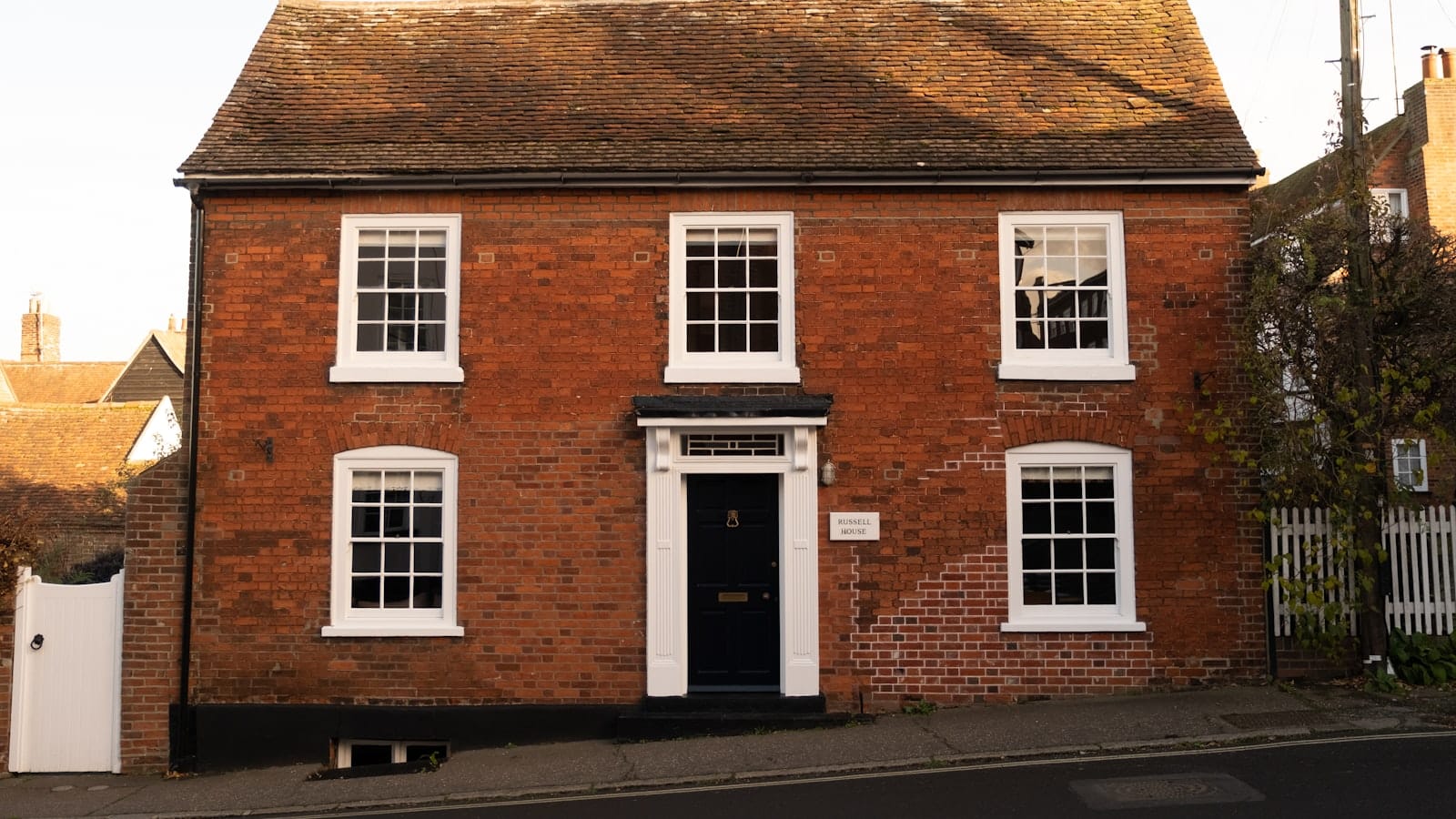
Yes — heat pumps work in old houses. The ones that fail are not victims of their age, they are victims of bad design: an undersized pump, the original radiators, and zero attention to draughts. Get those three right and a Victorian terrace can run on a heat pump as well as a 2024 new-build.
Here is what actually matters in an older property.
Do I need bigger radiators for a heat pump?
Heat pumps run cooler water through your radiators (45-50°C) than a gas boiler (65-75°C). To heat a room with cooler water, you need more radiator surface area. In practice that means 30-50% bigger radiators in most rooms.
This is the single biggest reason people think heat pumps "do not work" in old homes. They get a quote that keeps the existing radiators, the system runs flat-out trying to deliver heat through undersized panels, and the homeowner blames the heat pump.
- A K2 (double-panel) usually replaces a K1 (single-panel) one-for-one in the same wall space.
- Radiator upgrades typically add £1,500-£3,000 to a heat pump install. Often included in the headline quote.
- Underfloor heating works even better but is rarely worth retrofitting through an existing floor.
How much insulation does an old house need before a heat pump?
You do not need to insulate every wall before getting a heat pump. You do need to make sure heat is not pouring out of obvious places.
- Loft insulation to current standards (270mm). The BUS grant requires this anyway.
- Cavity wall insulation if you have unfilled cavities. Also BUS-required.
- Draught-proofing around sash windows, floorboards, letterboxes. Cheap and high-impact.
- Solid wall insulation is nice-to-have, not essential. Most Victorian homes run heat pumps fine without it.
EPC band E or above is a reasonable target before installing. We have a separate guide on insulation prerequisites for heat pumps.
What size heat pump does an old house need?
An older home loses more heat than a modern one — typically 80-120 W/m² versus 40-60 W/m² for a recent build. That means a 3-bed Victorian needs an 8-10 kW heat pump where a 3-bed new-build needs 5-6 kW.
A proper installer will do a heat-loss survey on the day, room by room. Walk away from anyone quoting from desktop estimates alone — they will undersize, and the system will struggle in January.
What about period features?
Heat pumps and heritage homes coexist fine.
- The outdoor unit is the size of a fridge. Tucked behind a side return or in a back garden corner, it is invisible from the street.
- Listed buildings need consent for the outdoor unit (same as a satellite dish). Most consent applications go through.
- Conservation areas usually classify heat pumps as permitted development under MCS planning rules — no application needed.
Real running costs in an old home
A well-installed heat pump in a Victorian terrace typically achieves SCOP 2.8-3.5 — slightly below modern homes but well above the breakeven point with mains gas. Expect annual running costs of £900-£1,400 for a 3-bed in this category.
If your installer is quoting SCOP 4.0+ on a Victorian property, push back. They are likely showing best-case lab figures, not real-world performance.
The bottom line
Heat pumps work in old houses when designed properly. They fail when an installer treats them as a like-for-like boiler swap. The premium you pay over the cheapest quote almost always reflects bigger radiators, a proper heat-loss survey, and competent commissioning — and that premium is the difference between a system you love and one you hate. Run our free pre-survey check to see what a heat pump install looks like on your specific property.