Air source vs ground source heat pump: which is right for your home?
Air source heat pumps suit 95% of UK homes. Ground source pays back faster but needs land or a borehole. Here is how to choose without overspending.
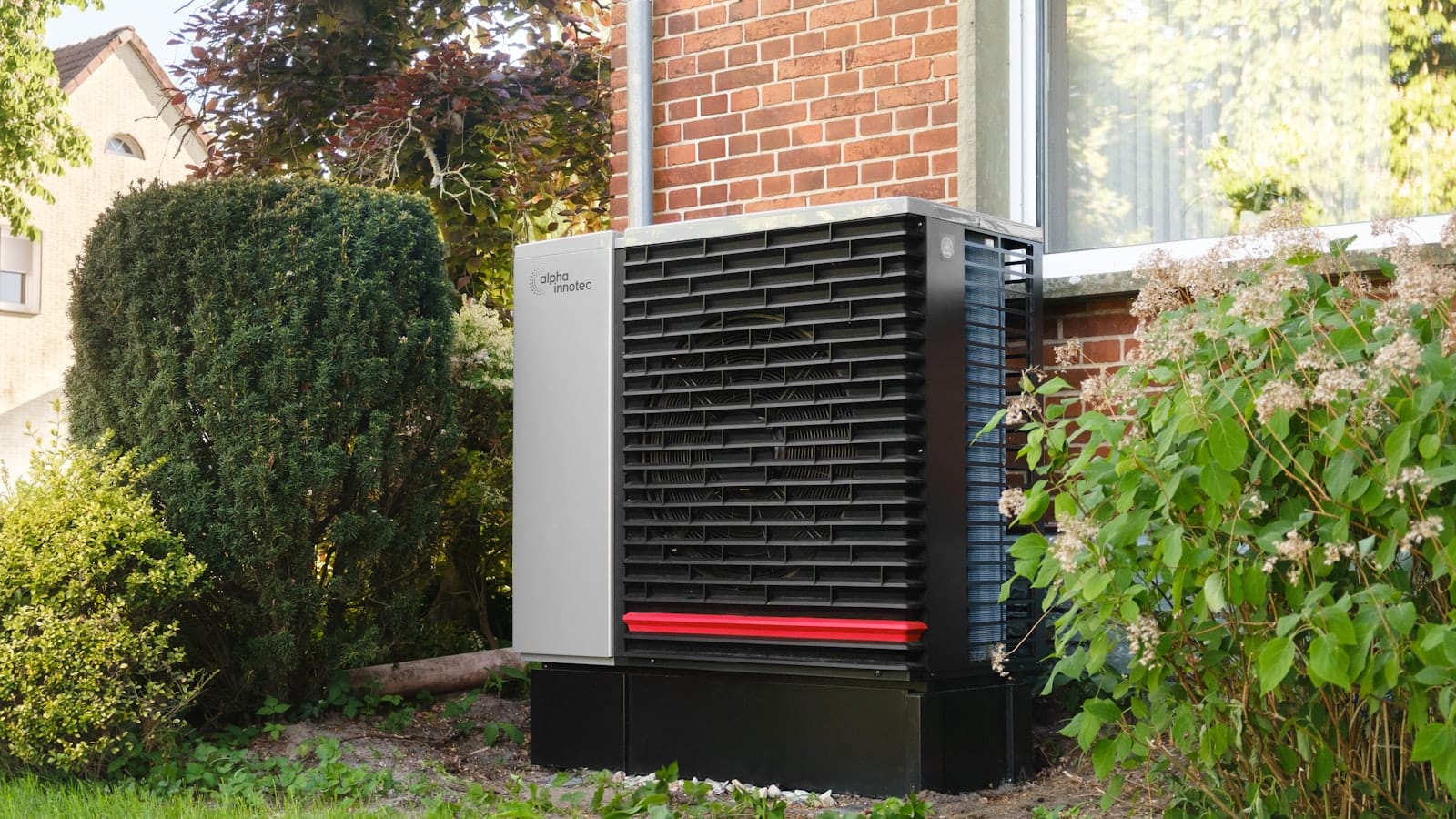
For most UK homes, the answer is air source. Ground source is more efficient and cheaper to run, but the install costs are 2-3× higher and you need either a big garden or money for a borehole. Ground source only beats air source on whole-life cost when you have the space and plan to stay 15+ years.
Here is a clean side-by-side, not the marketing version.
How they actually work
Both pumps move heat from outside to inside — they do not generate heat, they relocate it. The difference is where they pull from.
- Air source (ASHP): a fridge-sized box outside the property pulls warmth out of the air, even at -15°C. Around 90% of UK heat-pump installs.
- Ground source (GSHP): a network of buried pipes (a "ground array") pulls heat from the soil, where temperature is steadier than the air. Either laid horizontally (needs a tennis-court-sized garden) or drilled vertically as a borehole.
Cost — what you actually pay
Both qualify for the £7,500 Boiler Upgrade Scheme grant. After the grant:
- Air source: typically £2,500-£6,500 net for an average UK home.
- Ground source: £15,000-£25,000 net. The borehole alone runs £8,000-£15,000.
The gap is the buried infrastructure — pipes, drilling rigs, ground reinstatement. The pump itself is comparably priced.
Efficiency — why ground source costs less to run
Heat pumps are rated by their Seasonal Coefficient of Performance (SCOP) — how many units of heat they produce per unit of electricity used.
- Air source: SCOP 3.0-4.0 (modern units). Drops in cold snaps when the outside air gets close to freezing.
- Ground source: SCOP 4.0-5.0. The ground stays around 8-12°C year-round even when the air is below zero, so efficiency is steadier.
For a typical 12,000 kWh/yr heat demand at 30p/kWh electricity: ASHP costs roughly £900-£1,200/yr to run, GSHP £700-£900/yr. The ~£200-£300/yr saving rarely makes up the £10k+ install premium within a normal ownership window.
When ground source is genuinely worth it
- You have a large garden (1,000m²+) — horizontal arrays avoid borehole costs.
- You are building new — trenches are easy when the soil is already turned.
- Heritage / conservation property where an outdoor unit would be refused.
- You plan to stay 15+ years and you are heating a high-demand property (4-bed+).
When air source is the obvious answer
- You are retrofitting an existing home — almost always.
- You have a small or paved garden.
- You want the simpler, faster install (1-3 days vs 1-2 weeks).
- You need to budget around the BUS grant.
What about hybrid systems?
A hybrid pairs an air source heat pump with a small gas boiler that kicks in on the coldest days. You lose BUS eligibility (it requires a fully fossil-free system) and the maintenance is doubled. Hard to recommend over a properly-sized standalone heat pump in 2026.
How to decide
If you are in a typical UK home with a normal-sized garden: air source. If you have land and plan to stay long-term: get a ground source quote alongside an air source one and compare 15-year running costs against the install premium. Our free pre-survey check shows the install size and running cost for an air source system on your specific property in five minutes.